
Colton Herta Surprise ‘Reopens School’ as IndyCar Swaps with F2 as Part of Cadillac F1’s ‘Grand’ Plan, an Operation That Will Serve Dual Purposes of F1 and IndyCar
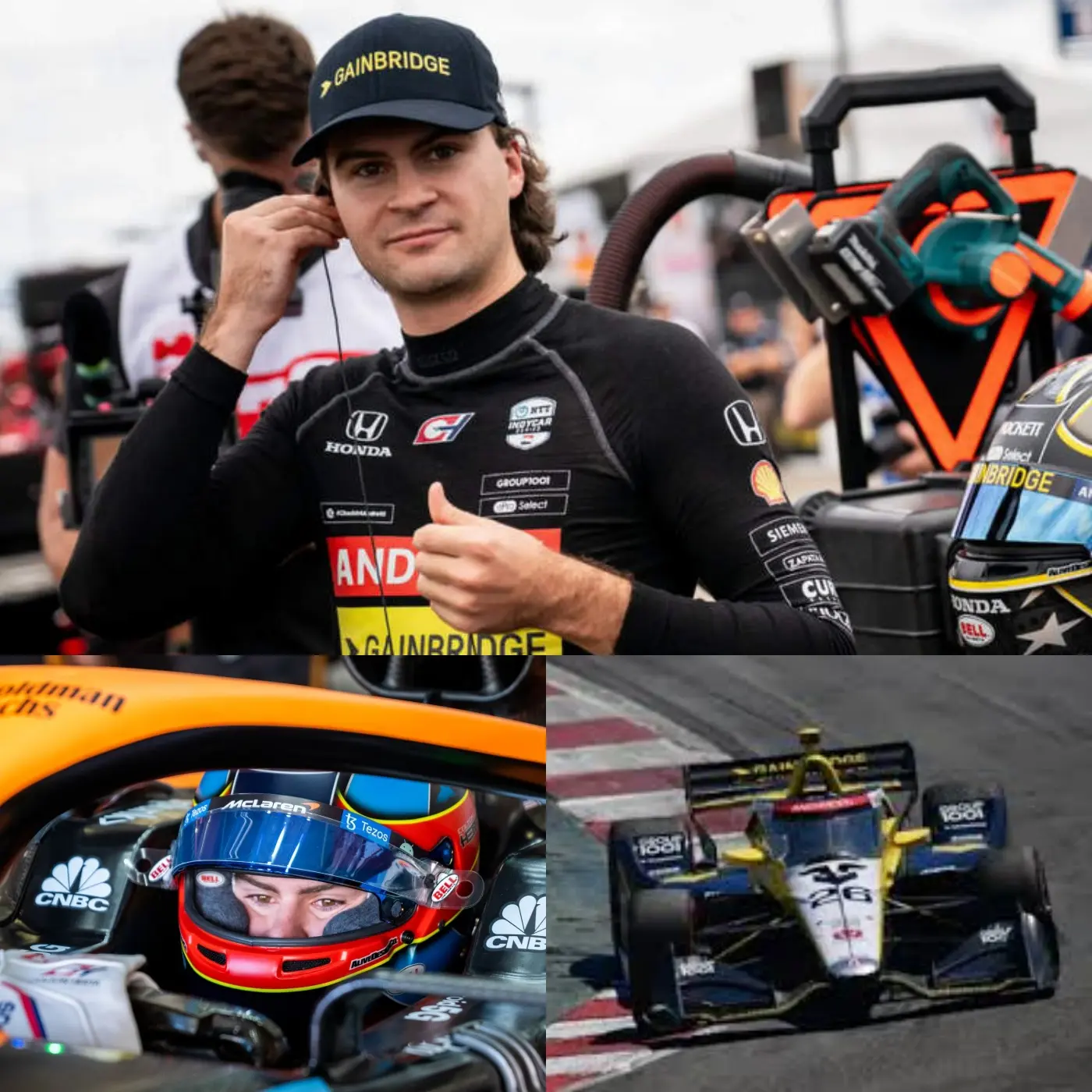
In a move that has sent shockwaves through the motorsport world, American racing sensation Colton Herta is set to “reopen school” in the most unexpected way, trading the high-speed ovals and street circuits of IndyCar for the tight, technical battlegrounds of Formula 2.
Announced just days ago on November 26, 2025, this bold career pivot is not merely a personal gamble but a meticulously orchestrated element of Cadillac’s ambitious entry into Formula 1, set to debut in 2026.
The plan, described by insiders as “grand” in scope, cleverly swaps Herta’s established IndyCar presence with F2 exposure, serving dual purposes: accelerating his path to an F1 seat while bolstering Cadillac’s development program and potentially strengthening ties between the American open-wheel series and the global pinnacle of single-seater racing.
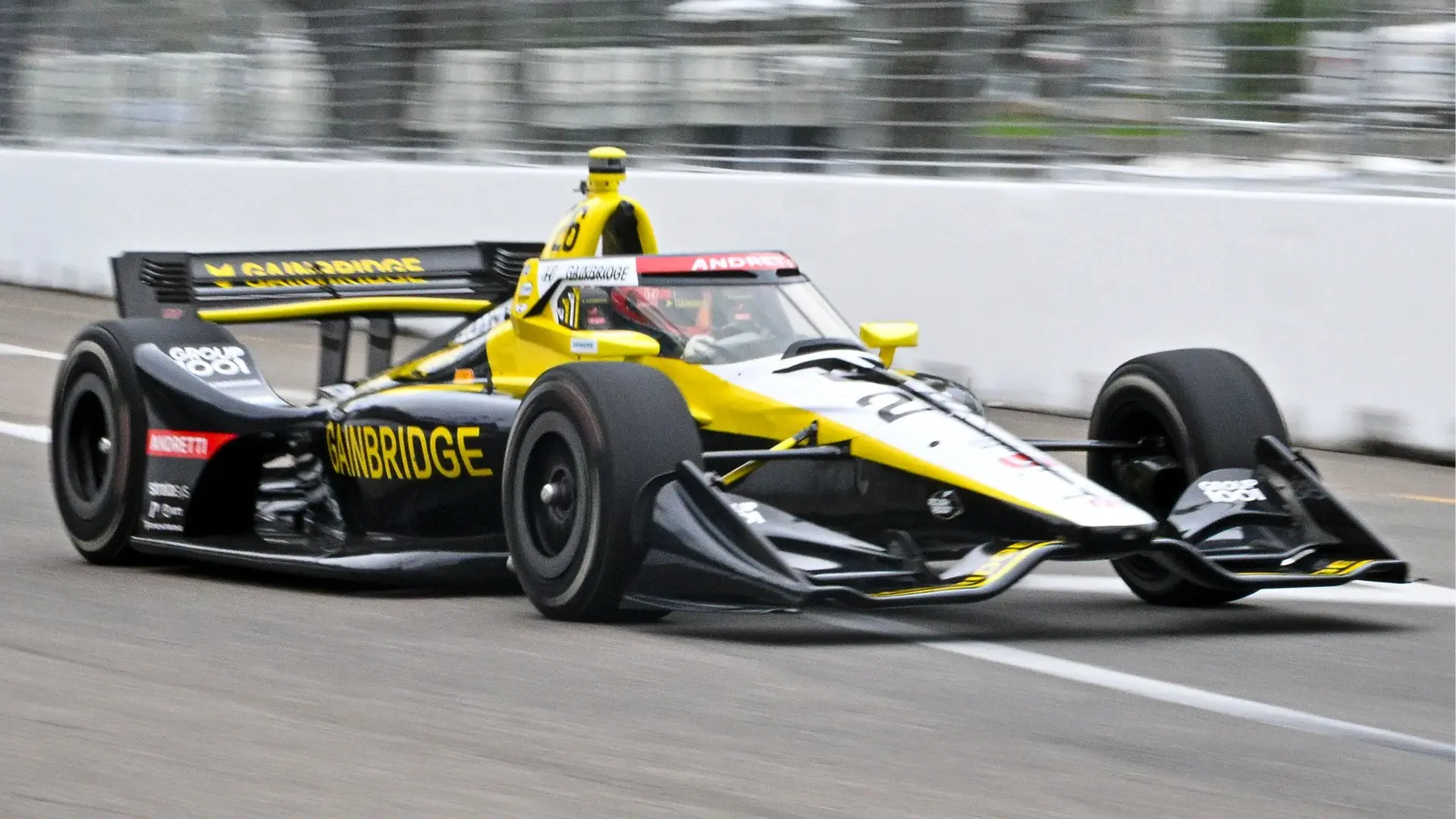
Herta, the 25-year-old Californian prodigy who has long been hailed as IndyCar’s brightest homegrown talent, steps away from Andretti Global after a storied eight-year tenure that yielded nine race victories, 19 podiums, and a runner-up finish in the 2024 championship standings.
His decision to depart feels like a seismic shift—after all, Herta was consistently vying for wins in 2025, finishing seventh overall despite a season marred by mechanical gremlins and fierce competition from the likes of Alex Palou and Scott Dixon.
Yet, beneath the surface of this “surprise,” as Herta himself called it during a candid interview at the Las Vegas Grand Prix paddock, lies a calculated strategy rooted in his unyielding dream of conquering Formula 1.
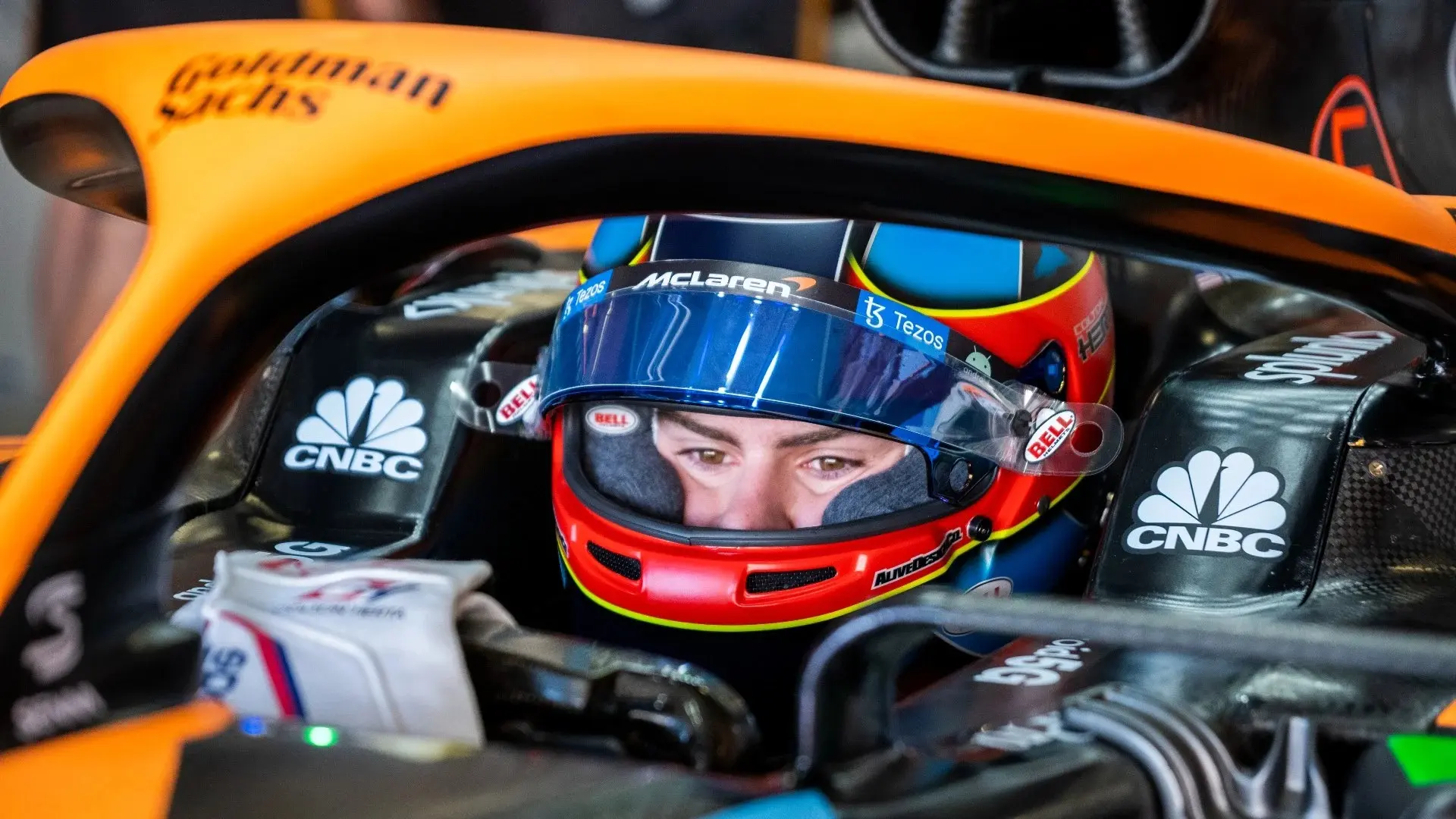
The core of this operation revolves around the FIA Super Licence requirements, the golden ticket to F1’s elite grid. Herta currently sits at just 34 points on the three-year rolling tally, falling short of the mandatory 40 needed for full eligibility.
His 2024 IndyCar silver medal netted him 30 points, with a modest four added from this year’s seventh place. To bridge the gap, he requires at least six more from 2026—and F2, as the premier feeder series, offers the most efficient pathway.
Finishing as low as eighth in the F2 standings would secure that, a realistic target for a driver of Herta’s caliber, even as he adapts to the series’ sprint-feature format, narrower cars, and European-centric calendar.
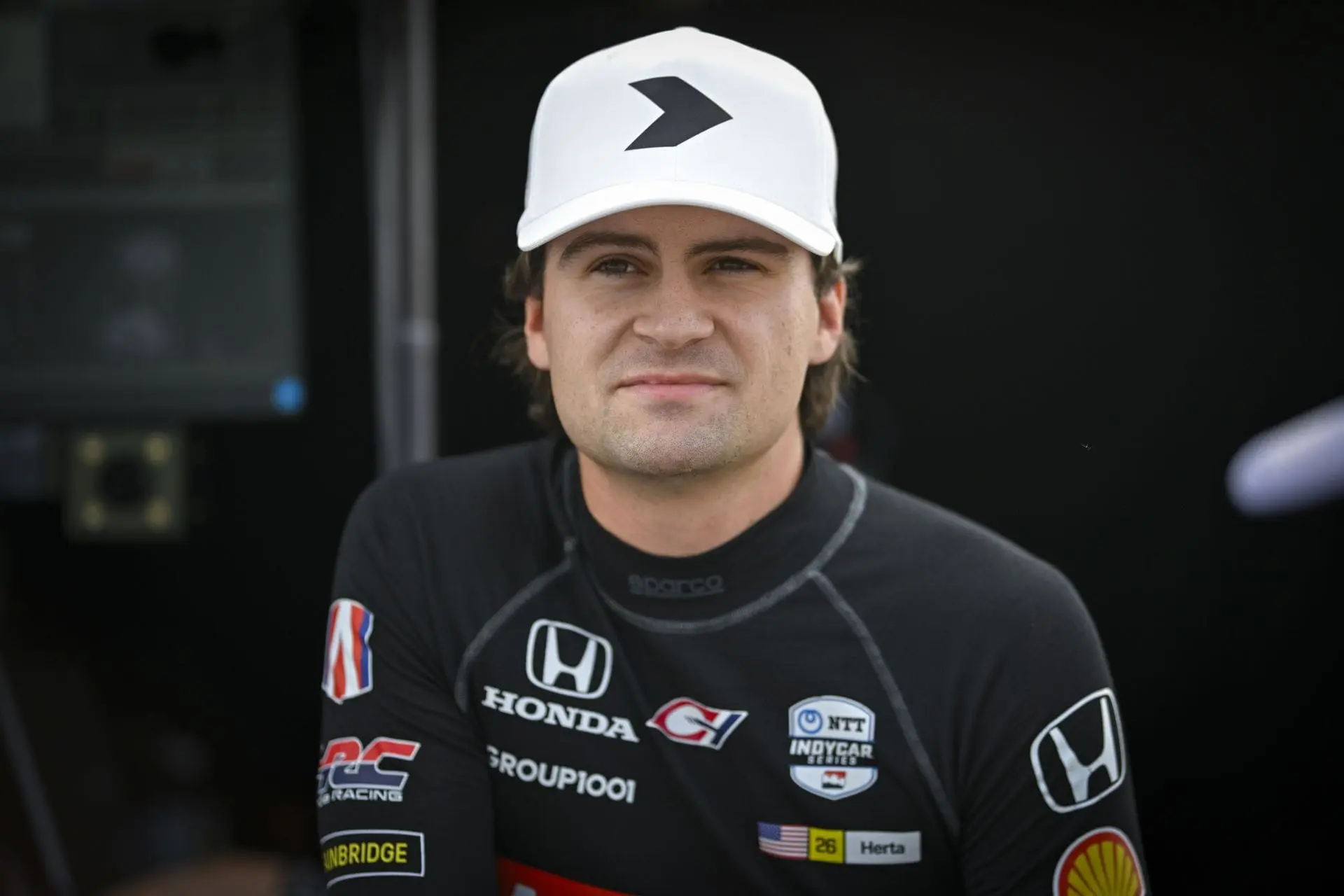
But this isn’t just about points; it’s a masterstroke for Cadillac F1, the American manufacturer’s audacious bid to join the grid alongside partners TWG Motorsports and Andretti Global.
Herta was unveiled as the team’s inaugural test and reserve driver last month, a role that already positions him in the simulator at their Silverstone base and behind the wheel of a 2025-spec F1 car for private shakedowns.
By slotting into Hitech Grand Prix’s F2 lineup—currently second in the 2025 teams’ standings—the plan achieves synergy on multiple fronts.
Herta will race on identical circuits to F1’s 24-round calendar, from the sweeping turns of Melbourne to the unforgiving walls of Monaco, honing his adaptability to layouts that demand precision over raw power.
Equally crucial is the Pirelli tire factor: F2’s rubber mirrors F1’s compounds, a far cry from IndyCar’s Firestone slicks, allowing Herta to master degradation curves and setup nuances that could prove decisive in his test sessions.
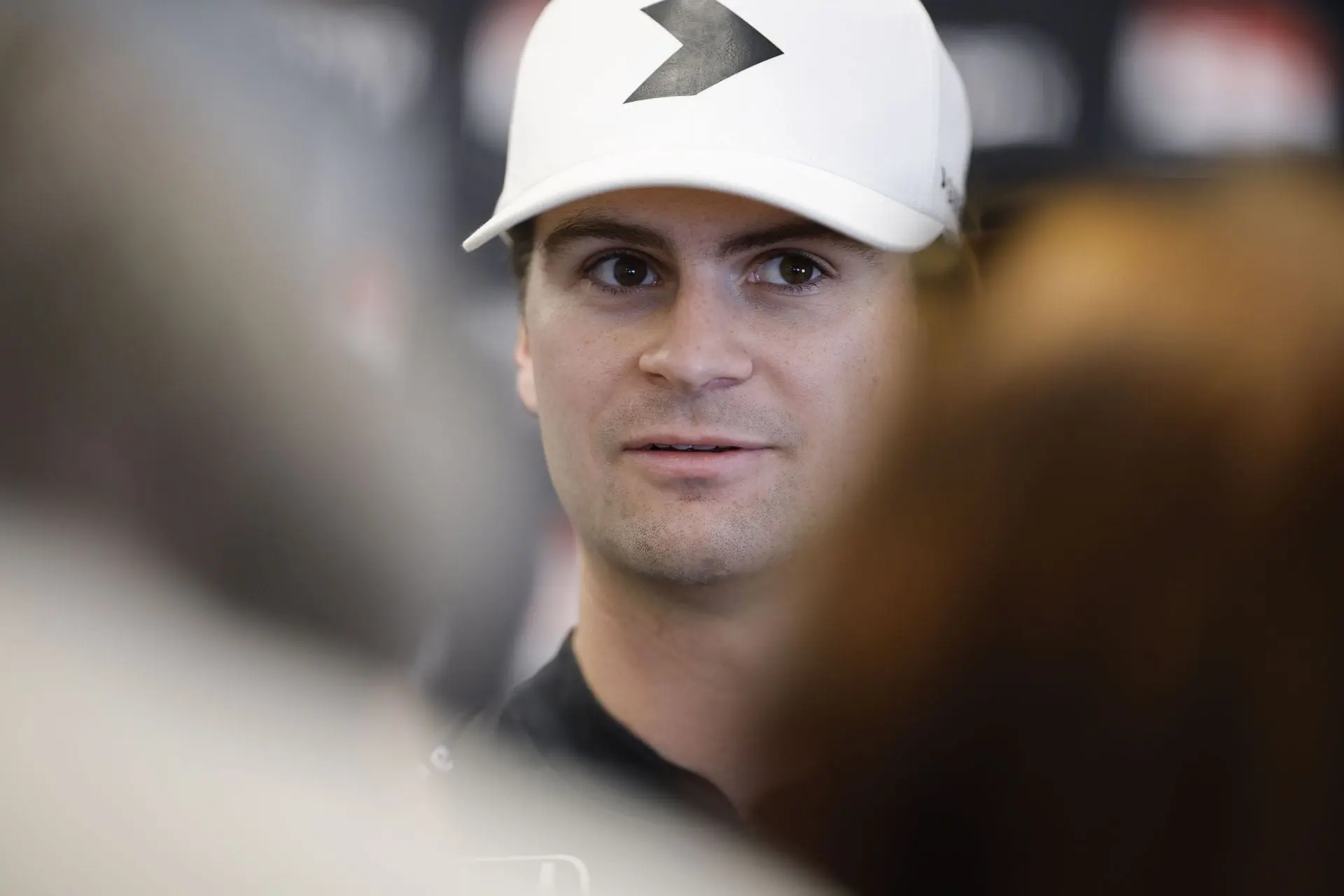
Cadillac CEO Dan Towriss, speaking to Sky Sports F1 at the Italian Grand Prix in September, framed the move as “no risk, no reward.” He emphasized Herta’s proven pedigree in European juniors, where the American was Lando Norris’s teammate at Carlin in the 2016 MSA Formula Championship, outshining the now-McLaren star in qualifying pace.
Towriss also highlighted Herta’s simulator stints with Alpine, Red Bull, and Sauber, where he “excelled” in raw speed and data analysis.
“Colton is leaving comfort for discomfort,” Towriss noted, underscoring the gamble: Herta forgoes IndyCar’s guaranteed podium contention for F2’s cutthroat midfield scraps, where even champions like Super Formula’s Ritomo Miyata have struggled to podium in recent seasons.
Yet, for Cadillac, this “reopening school” narrative—Herta’s own words for diving back into feeder basics—serves as a talent incubator. Success here could fast-track him to a 2027 race seat, potentially displacing one of the team’s confirmed 2026 duo, Valtteri Bottas and Sergio Perez, whose veteran experience anchors the debut year.
The dual-purpose brilliance extends beyond Herta’s personal arc, weaving a broader tapestry for IndyCar and F1’s futures. Cadillac’s involvement isn’t isolated; it’s a bridge-building exercise amid whispers of cross-promotional synergies. Imagine F2 weekends doubling as IndyCar scouting grounds, with Herta’s visibility drawing U.S.
fans to the series while exposing European prospects to American racing’s oval allure. TWG Motorsports, the parent entity, manages both Cadillac F1 and Herta’s former Andretti ties, facilitating this swap without severing roots.
Herta himself has been vocal about not burning bridges: “This isn’t a forever goodbye to IndyCar,” he told F1 TV’s James Hinchcliffe, a fellow ex-IndyCar stalwart. “I love it—the Indy 500 roar, the strategy under caution.
I’ll be back someday.” This sentiment aligns with the plan’s second pillar: sustaining IndyCar’s momentum. By positioning Herta as an ambassador-in-exile, Cadillac aims to funnel F2 data back to Andretti, refining hybrid powertrains and aero packages that could trickle into IndyCar’s 2.2-liter twin-turbo era starting in 2024.
Herta’s 2026 calendar, unveiled in tandem with the F2 announcement, underscores the operation’s holistic design.
He’ll kick off with Hitech at the Abu Dhabi post-season test from December 10-12, sampling a 2025-spec Dallara chassis under the Yas Marina floodlights—a baptism by fire after his early November shakedown in an older F2 machine.
The F2 season proper launches in Melbourne on March 13-15, overlapping with F1’s Australian opener, before jetting through Bahrain, Jeddah, and Imola.
To keep his endurance edge sharp—and honor his American motorsport heritage—Herta slots in three IMSA WeatherTech SportsCar Championship rounds with the factory Cadillac squad: the Rolex 24 at Daytona (January 25-26), the Sebring 12 Hours (March 15), and Petit Le Mans at Road Atlanta (November 15).
These GTP-class stints in the Riley-backed Dallara, alongside Filipe Albuquerque and Earl Bamber, fill F2’s calendar gaps, ensuring he’s race-ready without burnout. “It’s back to school, learning the basics like tire management and qualifying under pressure,” Herta reflected in Las Vegas.
“But with Cadillac’s support, it’s a big program—not overwhelming, just right.”
Critics might decry the risk: F2’s learning curve has humbled many, from Miyata’s lone podium in two years to the political intricacies of superlicence allocation. Herta’s youth and IndyCar-honed aggression could clash with the series’ emphasis on consistency over heroics.
Yet, optimists point to Hitech’s pedigree—nurturing talents like Isack Hadjar and George Russell—and Herta’s intangibles: a win-at-all-costs mentality forged in the Indianapolis 500’s cauldron. For Cadillac, this “grand” plan isn’t just about one driver; it’s a blueprint for American ascendancy in F1.
By 2027, as regulations usher in sustainable fuels and cost caps, Herta could embody the team’s merit-based ethos, as Towriss reiterated: “We select on performance, not promises.” If he thrives, it reopens doors for other U.S. prospects, blending IndyCar’s grit with F1’s glamour.
As winter testing looms, the motorsport fraternity watches with bated breath. Herta’s surprise swap isn’t a retreat but a reclamation—a young gun reopening the classroom of ambition, where lessons from F2’s trenches could rewrite Cadillac’s narrative and IndyCar’s global footprint.
In this dual dance of dreams and strategy, Colton Herta isn’t just chasing points; he’s igniting a transatlantic revolution, one lap at a time.