Colton Herta dismisses ‘silly’ notions of leaving high-paying IndyCar position at Andretti Global and making F2 debut in preparation for ‘difficult’ road to F1
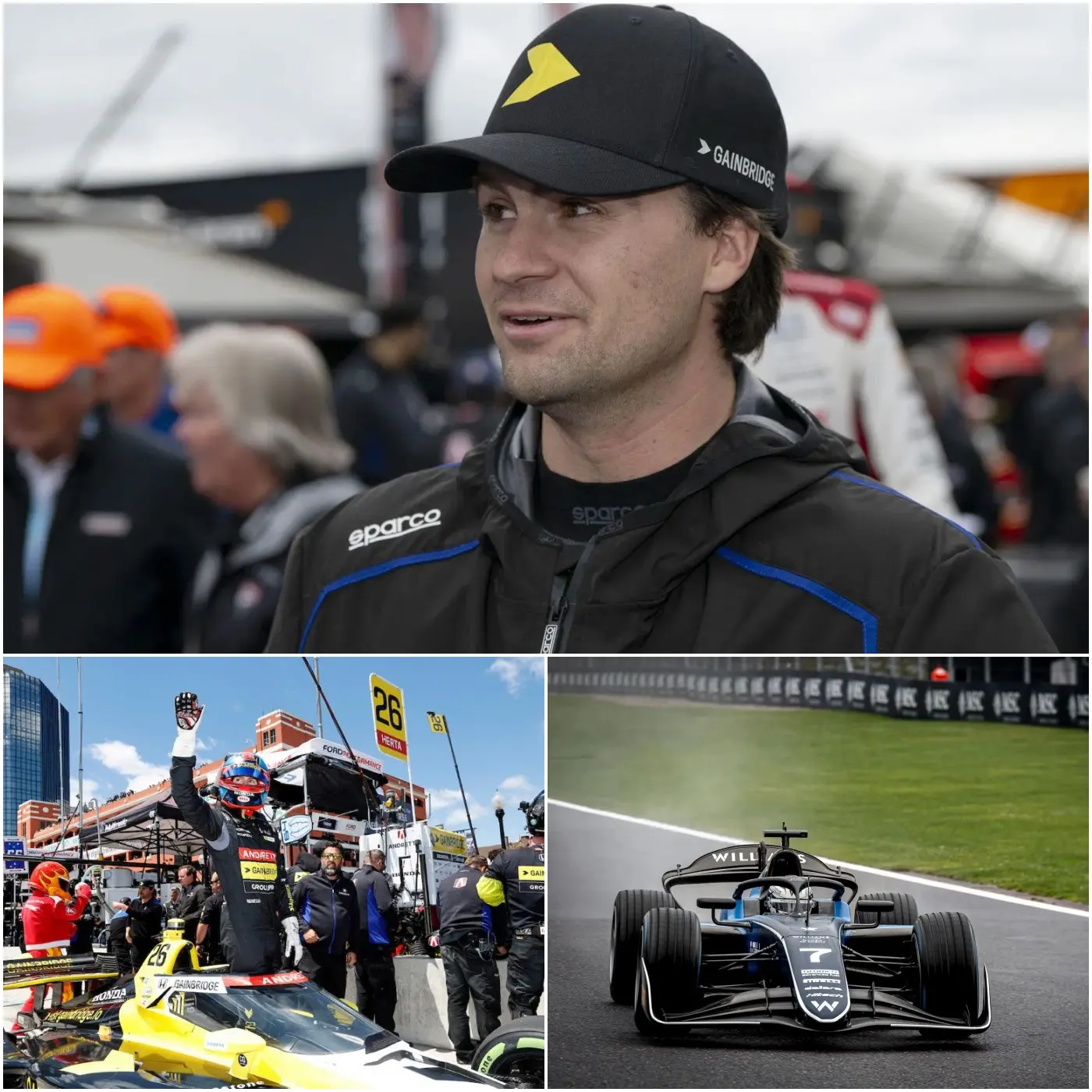
In the high-stakes world of open-wheel racing, few decisions carry the weight of Colton Herta’s bold pivot from the familiar ovals and road courses of IndyCar to the unforgiving European ladder of Formula 2. The 25-year-old American sensation, long regarded as one of the series’ brightest talents, has firmly quashed rumors that his departure from Andretti Global was anything but a calculated gamble on his lifelong dream of Formula 1. Speaking candidly ahead of the 2026 season, Herta labeled suggestions of regret or impulsiveness as “silly,” emphasizing that trading a lucrative IndyCar seat for the uncertainties of F2 is not a step backward but a necessary bridge to the pinnacle of motorsport.
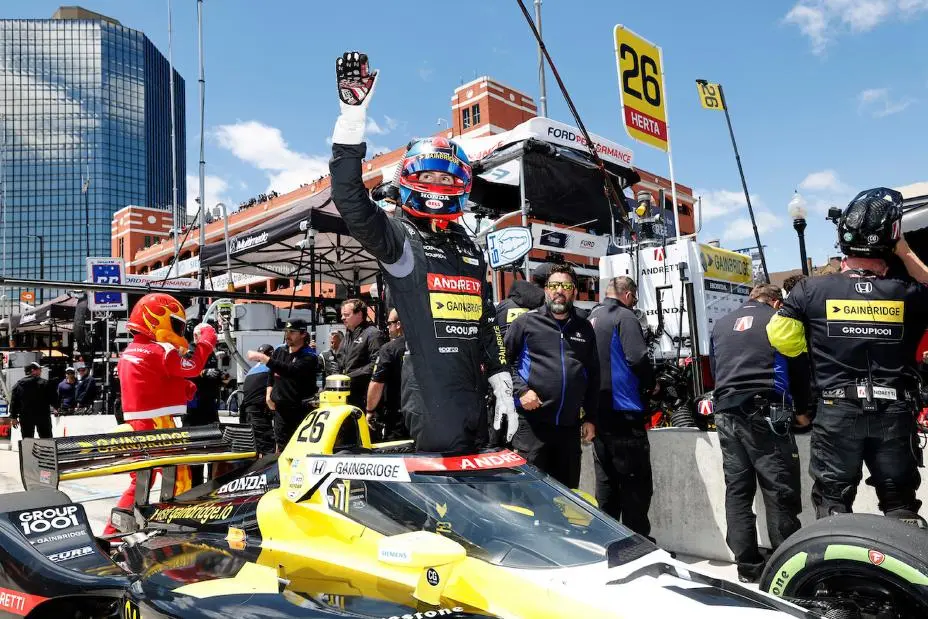
Herta’s IndyCar journey, spanning seven seasons with Andretti Global, has been nothing short of stellar. Debuting at just 17 years old in 2018, he shattered records as the youngest winner in series history with a triumph at Circuit of the Americas the following year. Over 116 starts, he amassed nine victories, 16 pole positions, and 40 top-five finishes, including a runner-up championship finish in 2024 that kept him in the title hunt until the final laps. Earning an estimated $7 million annually—the highest salary on the grid—Herta’s No. 26 Honda-powered machine became synonymous with raw speed and unfulfilled potential. Yet, beneath the accolades lay a persistent frustration: the FIA’s super license system, which undervalues IndyCar achievements compared to its own feeder series. Despite his dominance, Herta entered 2025 with only 35 of the required 40 points, needing a top-four championship finish or additional practice mileage to qualify for F1. A sixth-place result in the standings left him three points shy, forcing a crossroads.
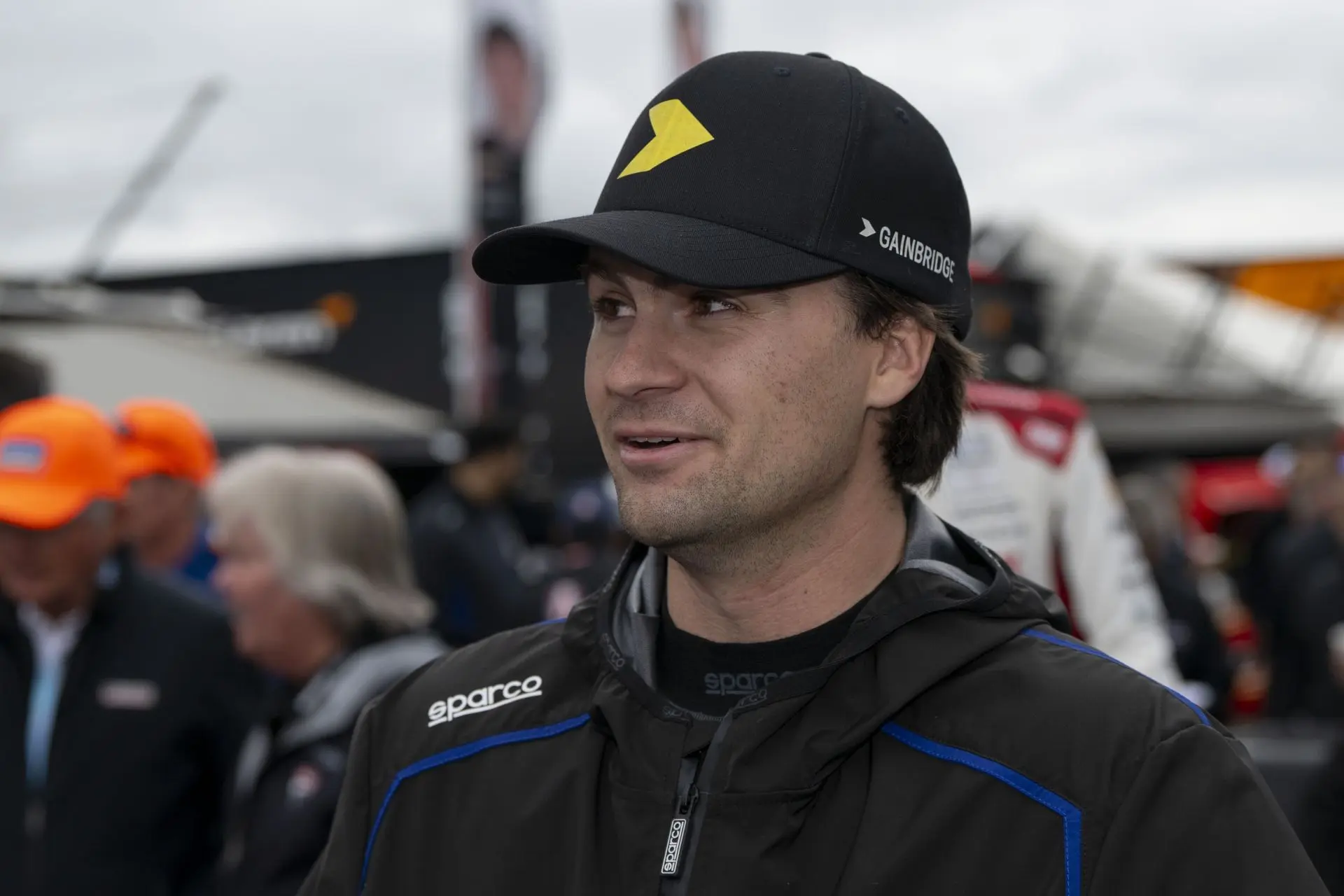
The announcement in September 2025 that Herta would serve as test driver for the incoming Cadillac Formula 1 Team marked the end of his full-time IndyCar era. Owned under the TWG Motorsports umbrella alongside Andretti, Cadillac’s 2026 debut with veterans Valtteri Bottas and Sergio Perez positioned Herta as the heir apparent—a role he embraces without entitlement. “I’ve always said no risk, no reward,” Herta reflected in a recent interview. “Staying in IndyCar was comfortable, sure, but it wasn’t getting me to F1. The points system is what it is, and I’ve got to respect the path.” His move to Hitech Grand Prix in F2 for 2026, confirmed last month, aligns perfectly with Cadillac’s strategy. Hitech, currently second in the 2025 teams’ standings with drivers like Luke Browning vying for the title, offers a competitive platform to rack up the necessary super license points—up to 40 for a championship podium—while racing on F1 support bills at 14 grands prix venues.
Herta’s dismissal of doubters came during a media session in Los Angeles, where he addressed the “silly” narrative that he’s abandoning a golden goose for a demotion. “People act like leaving a high-paying seat means I’m lost or desperate,” he said, his voice laced with the quiet confidence that’s defined his career. “It’s the opposite. IndyCar paid the bills and built my name, but F1 is the goal. F2 isn’t a detour; it’s the highway.” He acknowledged the financial hit—F2 purses pale in comparison to IndyCar’s multimillion-dollar guarantees—but framed it as an investment in legacy. Teammates and peers echo his resolve. Pato O’Ward, Herta’s fellow American and Arrow McLaren standout, predicted a swift ascent, telling reporters, “Colton’s F2 move screams 2027 F1 seat. I’d be shocked if he doesn’t replace one of those vets at Cadillac. He’s got the backing, the talent—it’s just about surviving the grind.”
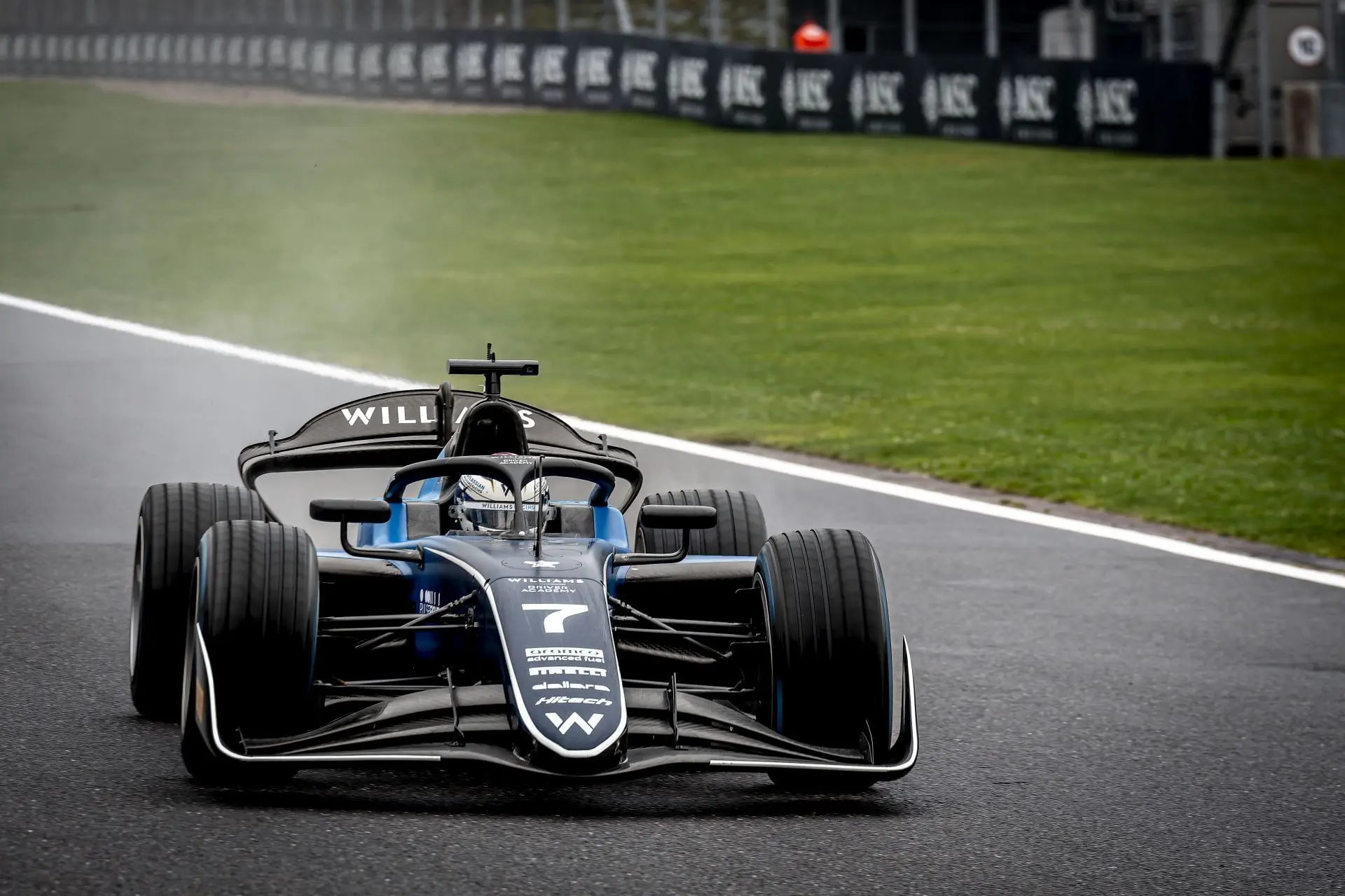
That grind, Herta admits, will be “difficult” in ways IndyCar never was. The F2 car, with its 620-horsepower turbocharged engine and Pirelli tires prone to rapid degradation, demands a surgical precision foreign to the broader power windows of Dallara-Hondas. Recent wet-weather testing at Monza in a 2018-spec F2 chassis highlighted the learning curve; Herta topped the timesheets among a mixed F2/F3 field but noted the “brutal” feedback through the steering wheel. “The tires are night and day from Firestone,” he explained. “In IndyCar, you can muscle through a slide. Here, one mistake, and you’re in the wall. It’s humbling, but that’s why I’m doing it—to learn Pirelli behavior before F1 proper.” Will Buxton, the veteran F1 journalist, voiced cautious optimism on a recent podcast, praising Herta’s adaptability but warning of tire management as a potential Achilles’ heel. “Colton’s quick, no doubt, but Pirelli can humble anyone. If he adapts fast, he’s golden; if not, it’s a really risky play.”
The strategic layers extend beyond the cockpit. As Cadillac’s test driver, Herta will log simulator miles and potentially two free-practice sessions in 2026—each worth a super license point—while forging paddock connections in Europe. His schedule also includes endurance stints in Cadillac’s IMSA program, targeting the Rolex 24 at Daytona and other GTP races to stay sharp on ovals. Notably absent from the equation? A return to the Indianapolis 500. Herta, who has long cited the Indy 500 as his “second home,” expressed a wistful desire to compete in the 2026 edition. “I’d love to be back for another shot at the 500—it’s electric,” he said. “But with Cadillac’s GM ties and Andretti’s Honda alliance, conflicts make it tough. If the stars align, great; if not, I’ll be watching from the F2 garage.” No calendar clashes exist for May 24, but engine supplier politics could veto any one-off deal.
Herta’s gamble resonates deeply in American motorsport, where the FIA’s Euro-centric ladder has long sidelined talents from IndyCar and NASCAR. Critics decry the system as archaic, pointing to cases like Herta’s or Connor Zilisch’s recent WEC test snub due to insufficient points despite Xfinity dominance. Yet, for Herta, it’s personal fuel. Raised in California with a father, Bryan, who raced in the Atlantic Championship, he idolized Michael Andretti’s near-miss F1 stints and Mario Andretti’s 1978 title. “Dad always said F1 was the mountain,” Herta shared. “I’m climbing it my way.”
As the off-season buzz builds toward F2’s opener in Melbourne on March 6-8, Herta’s focus sharpens on results. A top-eight championship finish nets six points, ninth adds four more—enough, combined with testing, to unlock F1 eligibility. Teammate Browning, third in the 2025 standings, offers a blueprint: consistent podiums in a cutthroat field. Herta’s first laps in Hitech’s No. 7 machine loom as a proving ground, where “silly” doubts will either evaporate or ignite.
In dismissing the noise, Herta embodies the racer’s creed: vision over comfort. His F2 debut isn’t a farewell to IndyCar but a chapter in a larger saga—one that could crown America’s next F1 hero. As he packs for Europe, the message is clear: the road is difficult, but Colton Herta is built for it.