By making a complaint to the authorities, she broke the rules, knowing that isolation and rejection by some people was inevitable.

In the high-stakes world of British horse racing, where the thunder of hooves and the camaraderie of the weighing room often mask deeper tensions, one woman’s courage has ignited a reckoning.
Bryony Frost, a rising star among female jockeys, stepped forward in 2020 with allegations of bullying and harassment against her male colleague, Robbie Dunne.
What followed was a landmark investigation by the British Horseracing Authority (BHA) that not only exposed the toxic undercurrents of the sport’s inner sanctum but also delivered a seismic verdict: Dunne’s guilty plea on multiple charges, culminating in an 18-month ban that included a three-month immediate suspension, threatening to derail his career at its peak.
As of late 2025, four years after the ruling, the ripples from this case continue to reshape the landscape, fostering a slow but steady shift toward gender equity in a traditionally male-dominated arena.
The saga began in the pressure cooker of the 2020 racing season, amid the disruptions of the COVID-19 pandemic. Frost, then 25 and already celebrated for her victories aboard horses like Frodon in the 2019 Ryanair Chase at Cheltenham, found herself targeted in a series of incidents spanning seven months.
The BHA’s probe, initiated after Frost’s formal complaint following a heated confrontation at Southwell Racecourse on September 3, 2020, uncovered a pattern of deliberate intimidation.
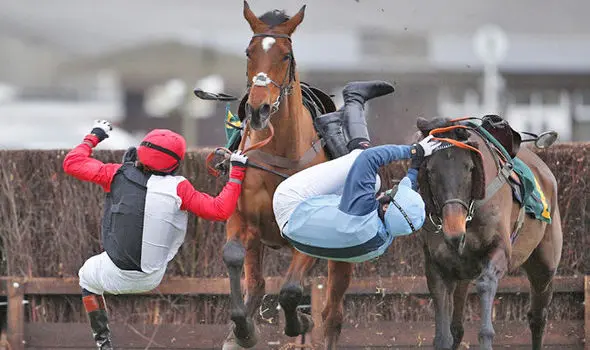
Dunne, an Irish jockey with a solid record of over 200 wins in Britain, was accused of riding in a “deliberately intimidating” manner during races at Leicester and Market Rasen, issuing threats like “I’m going to murder you” before a jump at Uttoxeter, and engaging in abusive verbal exchanges in the weighing room.
One particularly egregious episode involved Dunne allegedly telling Frost he would “put her through a wing” of a fence—a chilling promise of physical harm disguised as racing banter.
The disciplinary hearing, spanning six days in November and December 2021, painted a damning portrait. An independent panel, chaired by Brian Barker, a former chief coroner, found Dunne guilty on four counts of conduct prejudicial to the integrity and good reputation of horse racing, including bullying and harassment.
He admitted to one charge of violent or improper behavior but contested others, only to be overruled by compelling witness testimonies, including Frost’s own “truthful, careful, and compelling” account.
Barker described the offenses as a “course of deliberate conduct over a significant period,” escalating from “distasteful targeting” to “dangerous bullying.” The panel’s sanction—15 months served plus three suspended—far exceeded the three-month starting point, underscoring the gravity.
For Dunne, then 30 and at the height of his form, the ban was career-jeopardizing; he appealed unsuccessfully in early 2022 and has since pivoted to training and point-to-point racing in Ireland, a shadow of his former track presence.
Yet the true bombshell lay in the panel’s broader indictment of the weighing room culture—a “deep-rooted” and “coercive” environment where threats were normalized, complaints silenced, and women outsiders in their own workplace.
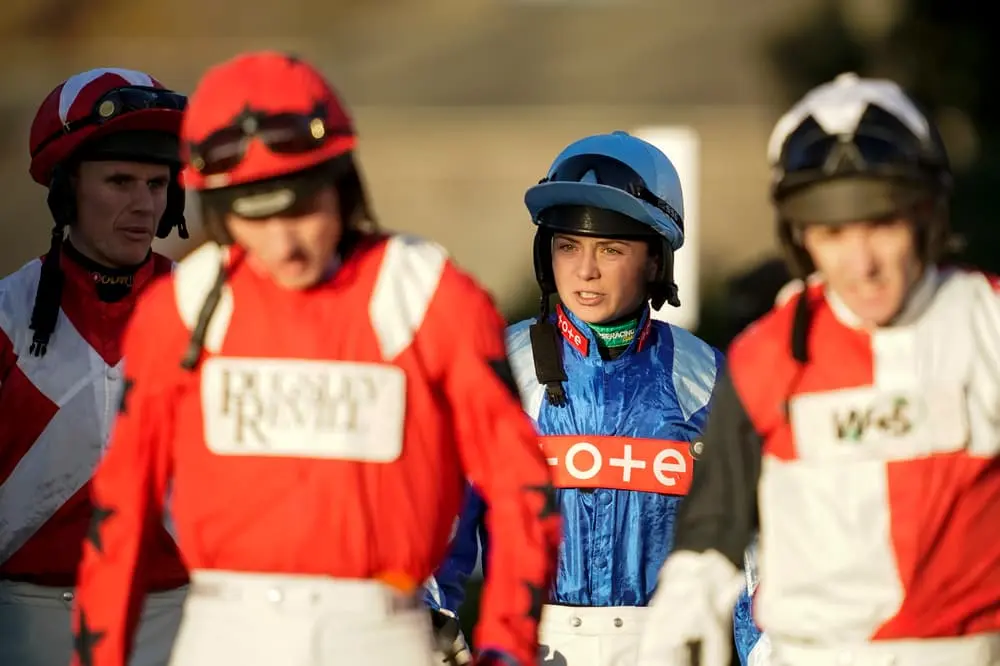
Barker noted that Frost’s decision to report Dunne shattered an unspoken “code,” inviting inevitable isolation: some colleagues shunned her, valets whispered doubts, and the Professional Jockeys’ Association (PJA) decried the process as unfair, even leaking sensitive documents in a bid to discredit the BHA.
Frost herself, in a measured post-verdict statement, requested privacy to “reflect and focus on upcoming rides,” a poignant reminder of the personal toll. Supporters, including trainer Lucy Wadham, urged reconciliation, pleading for jockeys to “build bridges” and end Frost’s ostracism.
The BHA hailed her as courageous, vowing the case would catalyze change: “It sends a clear message that conduct of this nature cannot be tolerated in any working environment within our sport.”
Fast-forward to December 2025, and the sport’s transformation, though gradual, is evident. The BHA’s integrity unit has since launched mandatory anti-bullying workshops and anonymous reporting hotlines, with participation rates climbing to 85% among licensed jockeys.
Female representation has ticked upward: women now account for 12% of National Hunt riders, up from 8% in 2021, buoyed by initiatives like the Girls in Racing program and scholarships from the Jockeys’ Education and Training Trust.
High-profile successes—such as Rachael Blackmore’s 2022 Cheltenham Gold Cup win and Frost’s own triumphant return, including a 2024 victory in the Paddy Power Gold Cup—have chipped away at stereotypes. Trainers like Lucinda Russell and Nicky Henderson report a “noticeable thaw” in weighing room dynamics, with mixed-gender mentoring sessions becoming standard.
Data from the BHA’s 2025 diversity audit shows harassment complaints down 40% year-over-year, though experts caution that entrenched attitudes linger, particularly in rural tracks where tradition clings hardest.
This evolution isn’t accidental. The Frost-Dunne case spotlighted how gender imbalance—men holding 85% of licenses—breeds toxicity, but as parity inches closer in training, ownership, and officiating, the old guard crumbles. The BHA’s push for 20% female licensees by 2030, coupled with corporate sponsorships targeting women, signals commitment.
Frost, now 30 and mentoring young riders through her Bryony Frost Foundation, embodies resilience. In a recent interview, she reflected: “Breaking that code was terrifying, but it opened doors for others.
Racing’s family now feels a bit more like mine.” Dunne, meanwhile, has kept a low profile, occasionally commenting on his “regrets” in Irish media, but his absence from the big stages underscores the verdict’s bite.
As horse racing hurtles toward a more inclusive future, the Frost saga stands as both cautionary tale and beacon. The isolation she endured was the price of progress, but the ban’s finality and the culture’s slow thaw affirm that change, however inevitable, demands voices like hers.
In a sport where split-second decisions define legacies, the real winners may be those galloping toward equality—one fearless complaint at a time.